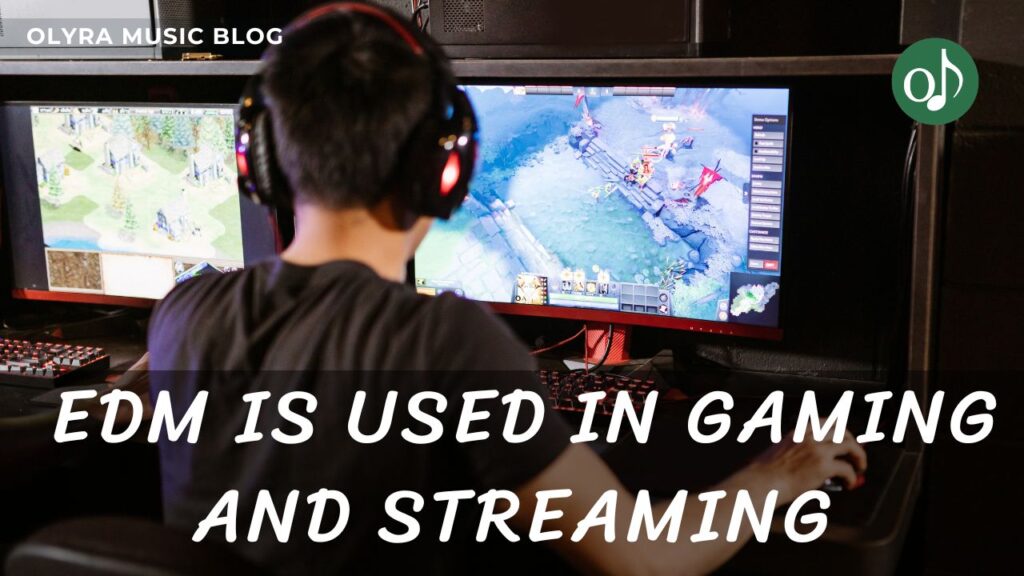
Step into any live stream or gaming setup, and you’ll likely hear the pulse of instrumental EDM—the energetic, wordless beats that fuel focus and excitement. It’s not by accident. From esports arenas to YouTube creators, this music style has become a universal soundtrack for engagement. But why does it work so well? Let’s explore why instrumental EDM is used in gaming and streaming, and how its rhythm and psychology help build immersive digital worlds.
1. Energy Without Distraction
Unlike vocal tracks, instrumental EDM delivers intensity without stealing focus. The absence of lyrics leaves space for the player’s own mental dialogue, keeping reaction times sharp and concentration high. The steady rhythm (typically 90–128 BPM) syncs naturally with gameplay dynamics, enhancing alertness without overwhelming the senses.
Streamers prefer EDM because it sustains energy through repetitive but evolving patterns—perfect for long sessions. Whether it’s lo-fi house, chillstep, or melodic techno, each subgenre provides a balanced blend of movement and atmosphere that keeps audiences engaged.
2. The Psychology of Flow State
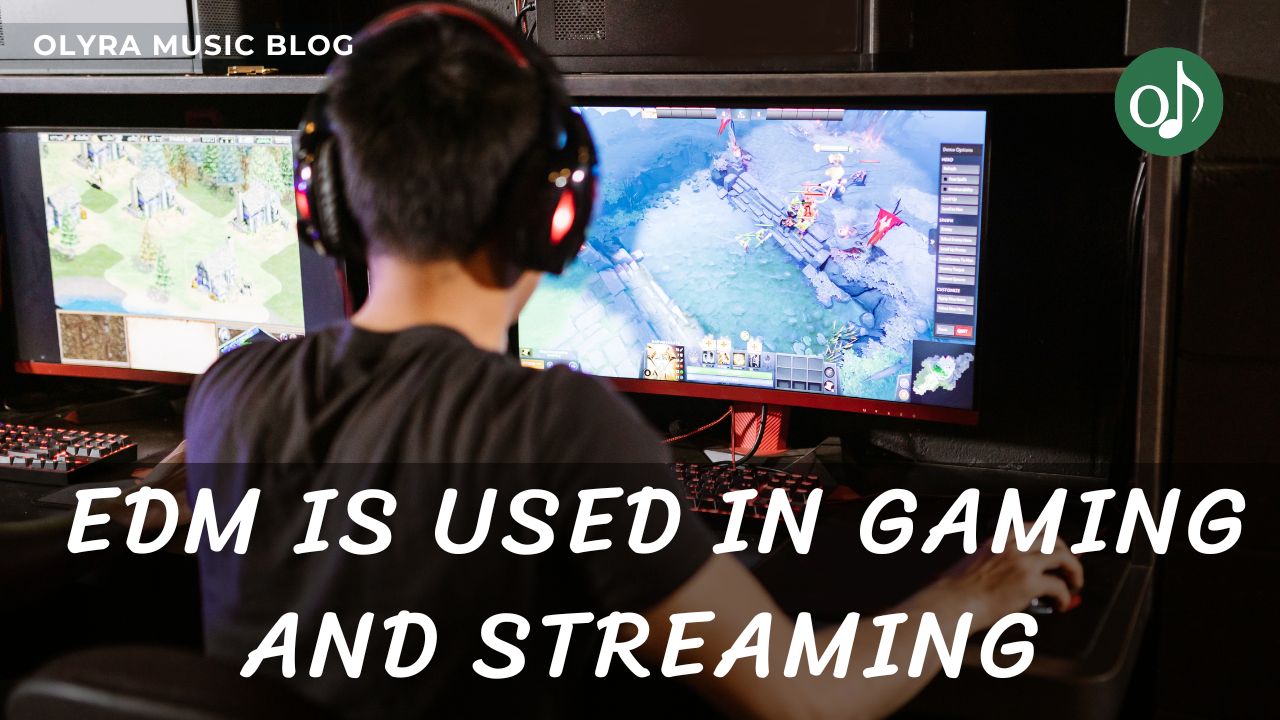
Gamers often talk about being “in the zone.” Psychologists call this the flow state—a condition where focus, skill, and challenge merge effortlessly. Instrumental EDM helps trigger this by providing a rhythmic cue for the brain’s motor regions. Repetitive basslines and arpeggiated synths guide heart rate and reaction timing, reducing mental fatigue.
According to studies cited by Healthline and Frontiers in Psychology, moderate rhythmic stimulation (between 100–120 BPM) can improve hand–eye coordination and cognitive endurance—key for competitive gaming and creative live streaming.
3. Seamless Audio Layer for Streamers
One of the biggest challenges for streamers is keeping the energy consistent while avoiding copyright strikes. Instrumental EDM offers a copyright-safe, loopable layer of sound that fills silence between commentary or in-game moments. It creates emotional continuity—something subtle yet essential for viewer retention.
Olyra Music and other copyright-safe platforms craft EDM tracks under clean frequency ranges (440 Hz tuning, layered at 3–5 voices), ensuring they blend naturally with dialogue and game audio. The result is a professional soundbed that feels alive but never overpowering.
4. Matching BPM with Gameplay Pace
Different games call for different energy levels. Understanding BPM (beats per minute) helps streamers choose music that matches the action:
- 90–100 BPM: Ideal for chill indie games or creative builds.
- 110–120 BPM: Perfect for adventure, racing, or FPS titles.
- 125–128 BPM: Fits high-intensity esports and streaming intros.
In Olyra’s EDM DNA, tempo shifts are designed with natural arcs—build, drop, and release—to mirror emotional tension during gameplay. This rhythmic storytelling keeps both the player and audience engaged.
5. Boosting Engagement Through Audio Branding
Music doesn’t just support gameplay—it shapes a creator’s brand. Consistent use of EDM cues or intros builds recognition, much like a sonic logo. A short, distinctive synth riff or beat can make a stream instantly identifiable. Streamers often use remixed instrumental loops as transition scenes or starting soon screens to maintain immersion and professionalism.
Olyra’s Remix & Focus Collections combine melodic trance pads with soft sidechain compression, making them perfect for intro/outro transitions or intermission backgrounds.
6. Why Audiences Love It
From a viewer’s perspective, instrumental EDM creates continuity. It fills the gaps between gameplay commentary, giving streams a cinematic flow. The subtle emotional lift of evolving synths, risers, and drops triggers dopamine—a neurochemical linked with motivation and reward anticipation. Viewers subconsciously stay longer when the background energy feels consistent and satisfying.
7. Building a Gaming Atmosphere
Ambient EDM subgenres such as chillwave or progressive house create emotional depth within virtual spaces. These styles give scenes texture—whether it’s a quiet crafting moment or a high-speed chase. The layered pads, reverbs, and percussive syncs simulate physical space, making both player and viewer feel “inside” the world.
Try it:
Listen to Peaceful Morning – Yoga & Meditation Instrumental for Breathe · Stretch · Flow and imagine swapping yoga flow for game flow—the same principles of rhythm and energy apply.
8. EDM’s Future in Streaming
As copyright systems grow stricter, demand for DMCA-safe instrumental EDM will continue to rise. Platforms like Olyra Music pioneer this movement by composing high-quality, mood-based EDM designed specifically for creators—no vocals, no infringement, pure atmosphere. Expect evolving subgenres that merge ambient layers with adaptive beats for future gaming experiences.
9. Final Thoughts
Instrumental EDM isn’t just background—it’s emotional architecture. It keeps gamers focused, streamers consistent, and audiences connected. Its rhythmic logic mirrors the very structure of games: build tension, release energy, repeat. That’s why, from small Twitch channels to global tournaments, EDM remains the invisible heartbeat of digital entertainment.
Explore more: Visit Olyra Music – EDM Remix Instrumentals for playlists designed for gaming, streaming, and creative focus.
This article is researched and edited by the Olyra Music team. Explore more at https://olyramusic.com/.
All music & visuals are original, DMCA-safe, and copyright compliant.